I recently read, Exaholics: Breaking Your Addiction to an Ex Love, a book recommended to me by a lovely Instagram follower (@alyssadigges). The author, marriage and family therapist Dr. Lisa Marie Bobby, ties scientific research into the addiction physiology of love and explains why many of us experience heartbreak, obsessive thoughts, social media stalking, and longing for an Ex that lasts long after the relationship ends. The book helps you understand what is happening to you, why you feel the way you do, and how to take your power back.
Before I break down the main points of the book, I am going to include a “yes”/”no” quiz that will indicate whether you qualify as an “Exaholic”. If you answer “yes” to some or all of the below questions, you might just be one of the chosen ones.
Tally how many “yes” or “no” answers you have, and pay attention to any patterns in the themes of the questions where you answer “yes”. I am going to fill in my answers below:
- Are you longing to get back together with someone who has rejected you?
- Yes.
- Are you struggling to finally let go of an unhealthy relationship?
- Yes.
- Are you obsessed by thoughts of your Ex?
- Yes.
- Do you feel compulsions to search for information about your Ex?
- No.
- Are you afraid that you will never find another relationship that is as meaningful and special as the one you lost?
- Yes.
- Do you feel that your self-worth has been badly damaged in the aftermath of your relationship?
- No.
- Are you feeling isolated and alone, and that your friends and family don’t understand what you’re going through?
- Yes when it comes to certain important people in my life.
- Is your emotional pain so great that you are having difficulty in functioning?
- No.
If, like me, you identify with some or all of the above criteria, my hope is that this post eases your frustration and shame you might be experiencing. When people fall in love, it is like their rational minds fly out the window. They seem intoxicated by their lover and become deeply and emotionally bonded to them. You may think that only flawed or emotionally vulnerable people could become an Exaholic, but this is simply not true. The truth is, there is a biological basis for the feelings of love you have for someone, or the anxiety and despair you experience at the thought of being without them. Being in love is akin to being in an altered state of consciousness that can lead you to do things you never would have thought possible in your more normal, “rational” state.
Being in love creates a biologically based madness that only makes sense when you are in it or using your emotional mind to understand it. To an observer lacking empathy, an Exaholic will not listen to reason, continues making self-destructive choices, and then complains about the outcome. But inside of them, a deep and difficult emotional process is occurring: the process of severing their primary attachment. Observers should challenge themselves to reconnect with the pain, madness and obsessive longing they likely experienced when it was their turn to go through this and have patience for the Exaholic’s healing process.
This introductory, first post is going to introduce you to three concepts: What is love? What happens when one falls in love? What is the tragedy of the Exaholic? The next blog post will explain the processes that occur when love is lost, and the third installment will offer the path to recovery (stages of healing, how to cope while you are recovering, and healing through the Twelve Step of Exaholics).
Part 1: What is Love?
Evolutionary speaking, humans simply do not survive as individuals. The success of our species is largely due to our collective nature. We need one another. But even more vital than our need to bond with a tribe or clan is our need to bond with a partner- a mate. Because this type of love is so vital to every aspect of our reproductive processes, we have love-inducing machinery hard-wired in our brains. When the light of romantic love begins to glow in our brains, it is very, very difficult to turn it off again.
When you fall in love, you go through a process in the limbic system of your brain that essentially addicts you to another person on a primary level, and this part of your brain is much deeper and older than the neocortex (the limbic brain is the seat of your primal emotions and motivational attachment drives, while the neocortex is the part of the brain that allows you to plan, make decisions, and anticipate consequences). So, your neocortex can tell you, rationally, that the relationship is over. It can produce evidence as to why the person is not good for you. But it doesn’t really matter. Even with your neocortex shrieking at you to stop stalking your Ex’s instagram and behave yourself, your limbic system takes over.
Part 2: Your Brain on Love
Researchers have explored brain activity in cocaine addicts and found activity in the same brain regions of people in love, because both of these areas lie deep in the limbic brain. When they are activated, they bathe your brain in dopamine. The other thing falling in love does to your brain chemistry is drop your serotonin levels. Serotonin is the neurotransmitter responsible for feelings of peace, satisfaction, and well-being, As romantic love increases dopamine, it also reduces serotonin. This love-cocktail of neurotransmitters- high dopamine and low serotonin- does a few things to you. First of all, it gives you a sort of ” love high”. You feel incredibly energized, restless, and euphoric. You may become entirely focused on your lover, to the point where you might even feel distracted or have a hard time sleeping. You think about them obsessively, fantasize about your next encounter, planning trips and outings, and experience a surge of giddy excitement with every call or text from the object of their affection.
Part 3: The Tragedy of the Exaholic
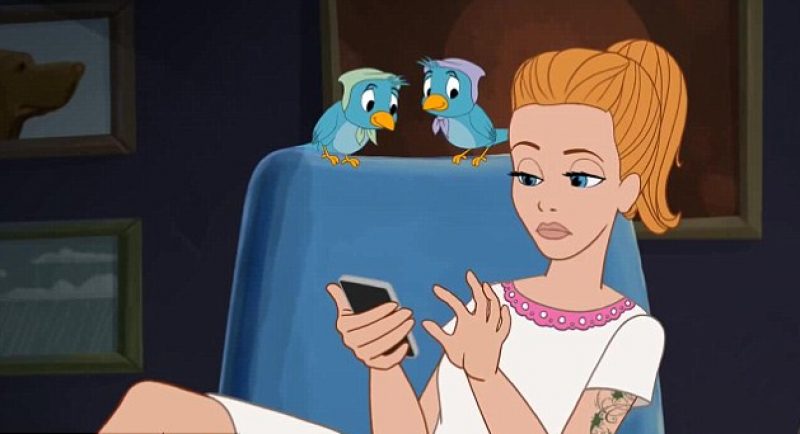
When people get addicted to a substance or experience that triggers reward systems and attachment machinery that nature designed for your survival in unnaturally intense ways, it overwhelms their ability to control themselves. Alcoholics might walk into a bar knowing full well they are not going home that night. Gamblers gift with guilty hope clean out the last of their kid’s college fund at the casino. Meth addicts drive past their social services office for the supervises visit with their kids to their dealer’s house instead. Exaholics feel like slaves to their frantic, raging, despairing, single-minded craving for emotional connection with their Ex. They churn with anxiety in the blue light of their cell phone, knowing that whatever they are about to see on their Ex’s Instagram account will devastate them for days, but they cannot stop themselves from looking. They have trouble focusing on, much less emotionally connecting with friends, family, children or potential new and healthy lovers. They lie awake at night, ruminating. They may engage in stalking or illegally break into private email or phone accounts. They beg for more changes to allow themselves to be abused by their Exes. They hate themselves for what they do, but they do it anyway.
The compulsions and cravings of an Exaholic are often so intense and out-of-control they can feel frightening. Sadly, the potentially severe and crippling addiction Exaholics struggle with is not recognized as such. Most addiction counselors, mental health counselors, nor the general public conceptualize people struggling in the aftermath of a failed relationship as having a biologically rooted addiction. While other addicts have the support of their anonymous meetings, caring therapists, intervention by family and friends, and our sympathies for their struggle, Exaholics get invalidating advice such as: “You have to let it go”, “There are lots of fish in the sea” “You have to move on”. The true tragedy is that in their darkest hour, at the time they are in the most need of support or compassion, they are often made to feel ashamed for not being okay.
The first step in developing compassion for the plight of Exaholics is recognizing what an unwanted relationship loss actually does to us. More on that in post number two…
Want to talk more about this topic? DM me on Instagram: @onceuponatimeonhinge







 Once Upon a Time Dating